

Lipid Apheresis

Treatment

A specialized apheresis therapy designed to selectively remove atherogenic lipids and improve vascular health.

Explore
Lipid Apheresis

About the treatment

Lipid Apheresis

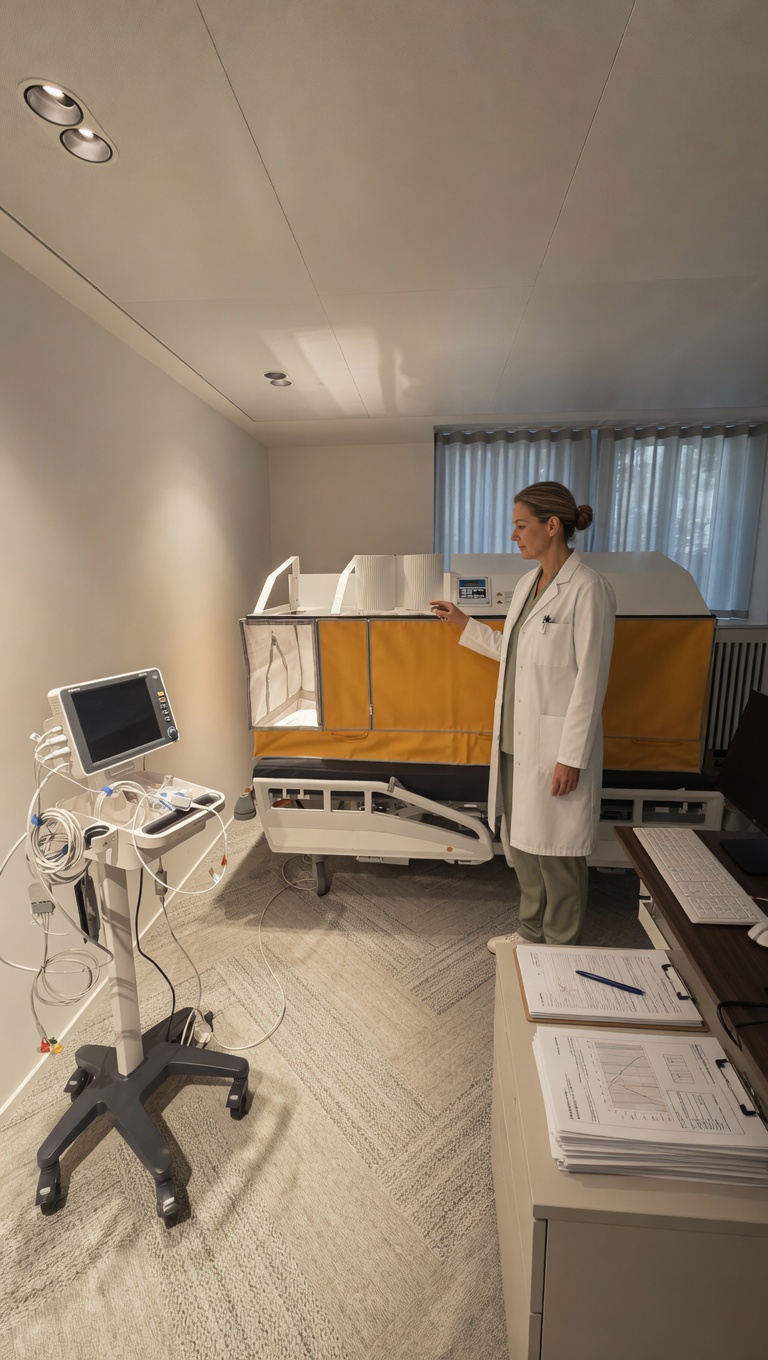
Lipidapheresis and H.E.L.P. Apheresis are highly targeted extracorporeal therapies that remove atherogenic lipoproteins—such as LDL cholesterol, lipoprotein(a), and other lipid fractions—along with inflammatory mediators and microclots directly from the bloodstream. Through advanced filtration and adsorption systems, these techniques enable a rapid and precise reduction of pathogenic lipids and inflammatory factors, supporting improved rheology, endothelial function, and microcirculation.


By directly addressing key drivers of vascular dysfunction and systemic inflammation, lipid and H.E.L.P. apheresis contribute to cardiovascular risk reduction and systemic optimization. Integrated into personalized treatment strategies, they are particularly valuable in patients with elevated lipid burden, vascular inflammation, or complex metabolic profiles, supporting long-term vascular integrity and performance.

H.E.L.P. Apheresis is a specialized form of lipid apheresis that goes beyond lipid particles alone. It also targets fibrinogen and other factors connected to blood flow, clotting tendency, inflammation, and microcirculation, making it especially relevant when cardiovascular risk involves more than cholesterol.

Because it addresses circulation, inflammation, and clotting factors together, patients often notice effects beyond the vascular system itself — improved microcirculation can translate into better tissue oxygen delivery, a clearer sense of mental focus, and a body that simply feels more balanced afterward.

Immunoadsorption is a highly selective plasma treatment focused on removing specific immune-related factors, such as autoantibodies or immune complexes, from the blood.

While Lipid Apheresis addresses lipid-related cardiovascular burden, Immunoadsorption becomes relevant when immune activity, inflammation, or antibody-mediated processes are part of the clinical picture instead.

It supports a more balanced immune environment without broadly suppressing the immune system as a whole — offering a more targeted path when immune-related activity, rather than lipids, is driving symptoms or imbalance.

Patients often describe this as feeling more like themselves again: fewer flare-ups, steadier days, and a system that feels genuinely rebalanced rather than simply held in check.

Treatments

Lipid Apheresis

Contact our concierge

From requesting a consultation with our medical team to executive services - our concierge service will handle your needs and requests

More treatments